Watch PPV Events on IPTV: Your Complete Streaming Guide
Discover how to watch PPV events on IPTV seamlessly. Learn about top IPTV services for streaming live boxing, UFC, and WWE without interruptions.
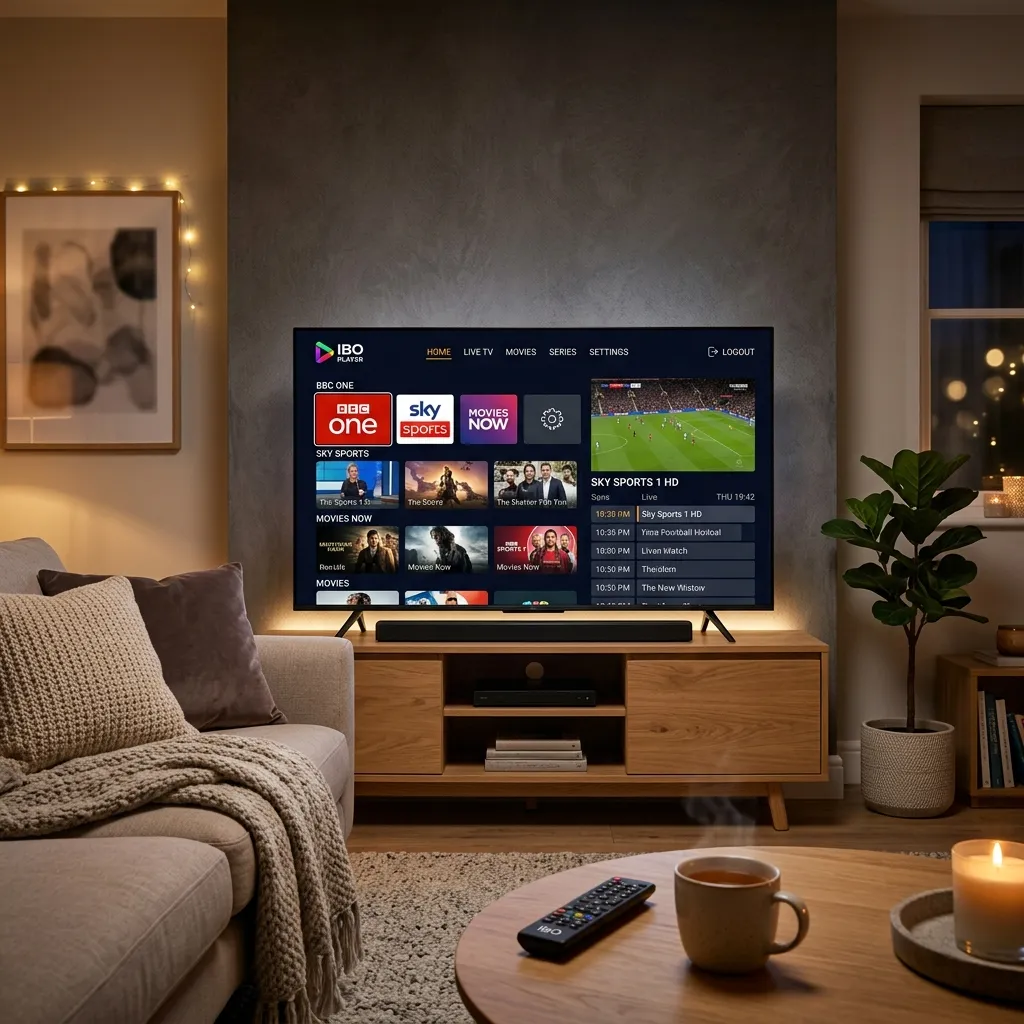
Are you tired of paying exorbitant fees every time there is a major boxing match, a highly anticipated UFC bout, or a spectacular WWE event? If so, you are certainly not alone. The traditional Pay-Per-View (PPV) model has been frustrating sports fans for decades. Historically, cable and satellite providers have held a monopoly over premium live events, charging premium prices that can sometimes exceed $80 or even $100 for a single night of entertainment. For a dedicated combat sports fan or a wrestling enthusiast, these costs can easily add up to thousands of dollars per year.
However, the digital revolution has brought about a paradigm shift in how we consume media, and Internet Protocol Television (IPTV) has emerged as the ultimate solution to this expensive problem. In this comprehensive, exhaustively detailed guide, we will explore exactly how to watch PPV events on IPTV, ensuring you never miss a knockout, a submission, or a championship victory again.
We will cover everything from understanding the underlying technology of IPTV to choosing the right hardware, selecting the optimal software applications, and troubleshooting common streaming issues. Whether you are a tech-savvy cord-cutter or a complete beginner looking to explore alternative broadcasting options, this article will serve as your definitive resource. Welcome to the future of sports broadcasting, brought to you by the experts at the Smartiflix Homepage, your premier destination for top-tier digital entertainment.
1. What is IPTV and How Does it Handle PPV?
To fully appreciate the advantages of watching PPV events on IPTV, it is essential to first understand what IPTV actually is and how it functions on a technical level. IPTV stands for Internet Protocol Television. Unlike traditional television broadcasting methods that rely on satellite signals, terrestrial aerials, or coaxial cable networks, IPTV delivers television content over Internet Protocol (IP) networks. This means that instead of receiving a continuous, broadcasted signal that you must tune into, your television programming is streamed to your device via your broadband internet connection.
The Mechanics of IPTV
When you use an IPTV Subscription, the provider hosts live television channels and video-on-demand (VOD) content on centralized servers. When you select a channel or a movie, your device sends a request to these servers, and the content is broken down into small data packets, transmitted over the internet, and reassembled on your screen in real-time. This process utilizes complex compression algorithms and streaming protocols (such as HLS, MPEG-TS, and RTMP) to ensure smooth, continuous playback.
How IPTV Transforms the PPV Experience
In the traditional cable model, a Pay-Per-View event is broadcasted on a specific, encrypted channel. To watch the event, you must contact your provider, pay the designated fee, and they will send a signal to your set-top box to decrypt that specific channel for the duration of the event.
IPTV handles PPV entirely differently. Premium IPTV services typically include dedicated sports and PPV categories as part of their standard subscription packages. When a major event is scheduled, the IPTV provider sources the live feed (often from international broadcasters or directly from the source) and streams it to their servers. Subscribers can then access this feed through their IPTV application without having to pay an additional, per-event fee. This fundamental difference is what makes IPTV such a revolutionary technology for sports fans. Instead of paying $80 for one fight, you might pay a fraction of that amount for an entire month of unlimited access to thousands of channels, including all major PPV broadcasts.
2. The Unbeatable Benefits of Choosing IPTV for Live Events
Transitioning from traditional cable to IPTV offers a multitude of benefits, particularly when it comes to consuming premium live content. Let's delve into the specific reasons why millions of users worldwide are making the switch.
Unprecedented Cost Savings
The most obvious and compelling advantage of using IPTV for PPV events is the massive financial savings. Let's examine a typical year for a combat sports fan. A dedicated UFC fan might want to watch 12 numbered, PPV events in a year. At a conservative estimate of $75 per event, that totals $900 annually just for UFC. Add in a few major boxing matches, Wrestlemania, and perhaps a specialized pay-per-view soccer tournament, and the annual cost can easily exceed $1,500.
In stark contrast, a high-quality IPTV subscription costs a mere fraction of this amount. By reviewing our competitive Pricing, you will see that a yearly subscription provides access to all of these events, plus thousands of regular TV channels, movies, and TV series, for less than the cost of two traditional PPV buys. The return on investment is immediate and undeniable.
Global Accessibility and Eradicating Blackouts
Sports fans are intimately familiar with the frustration of regional blackouts. Sometimes, an event is not broadcasted in your specific country, or local broadcasting rights prevent a match from being shown in your city. Because IPTV delivers content over the internet and often sources feeds from various international broadcasters, it effectively bypasses these geographical restrictions. If a fight is blacked out in the US but broadcasted live on BT Sport in the UK, a good IPTV service will provide access to the UK feed, ensuring you never miss the action.
Unmatched Convenience and Portability
Traditional cable boxes tether you to your living room. If you want to watch a PPV event, you have to be in front of the TV where the set-top box is connected. IPTV liberates you from these physical constraints. Because it operates over the internet via software applications, you can watch PPV events on a wide variety of devices. Whether you are at home on your Smart TV, traveling with your laptop, commuting with your smartphone, or relaxing with your tablet, your PPV content is always accessible.
Extensive Video on Demand (VOD) Libraries
Many premium IPTV services do not just offer live TV; they also feature extensive VOD libraries. This means that if you happen to miss a PPV event because of a scheduling conflict, or if the fight takes place in a drastically different time zone (such as a morning UFC event in Abu Dhabi), you can often find a full replay of the event added to the VOD section shortly after its conclusion.
3. Top PPV Events You Can Stream via IPTV
The sheer variety of premium content available through IPTV is staggering. Here is a detailed breakdown of the types of PPV events you can expect to enjoy with a comprehensive subscription.
Mixed Martial Arts (MMA) - UFC, Bellator, PFL
The Ultimate Fighting Championship (UFC) is perhaps the biggest driver of PPV sales globally. With events featuring superstars like Conor McGregor, Jon Jones, Israel Adesanya, and Islam Makhachev, the demand is massive. IPTV services dedicate entire sections to MMA, ensuring that not only the main PPV cards are available, but also the preliminary fights and early prelims, providing a complete viewing experience for hardcore fans. Additionally, other prominent promotions like Bellator MMA and the Professional Fighters League (PFL) are widely accessible.
Professional Boxing
Boxing has relied on the PPV model longer than any other sport. Mega-fights featuring the likes of Tyson Fury, Anthony Joshua, Canelo Alvarez, Terence Crawford, and Naoya Inoue command huge audiences and hefty price tags on traditional platforms. IPTV services gather feeds from Showtime, DAZN, Sky Sports Box Office, and ESPN+ PPV, allowing subscribers to seamlessly switch between different broadcasts of the same fight, often featuring different commentary teams.
Professional Wrestling - WWE, AEW, NJPW
For sports entertainment fans, the calendar is packed with premium live events. WWE's "Big Four" (Wrestlemania, Royal Rumble, Summerslam, Survivor Series) and All Elite Wrestling's (AEW) major shows (Revolution, Double or Nothing, All In, Full Gear) are essential viewing. While WWE has moved many of its events to streaming networks like Peacock in the US, international broadcasts still often rely on PPV. IPTV consolidates all these events into one accessible interface, including international promotions like New Japan Pro-Wrestling (NJPW).
Specialized Sports and Exclusive Concerts
Beyond combat sports, IPTV opens the door to a world of niche premium content. This includes:
- Motorsports: Exclusive rally feeds, F1 specialized broadcasts, and local racing events.
- Live Music: High-profile pay-per-view concerts and music festivals.
- Stand-up Comedy: Exclusive live specials from top-tier comedians.
4. Step-by-Step Guide: How to Start Watching PPV on IPTV
Getting started with IPTV might seem daunting if you are accustomed to traditional plug-and-play cable boxes, but the process is actually remarkably straightforward. Follow this comprehensive, step-by-step guide to set up your system for the next big fight.
Step 1: Choose a Premium IPTV Provider
The foundation of a great PPV experience is a reliable provider. Not all IPTV services are created equal; many cheap or free services suffer from severe buffering, low-quality streams, and frequent outages during high-demand events. When selecting a provider, you should prioritize:
- Server Stability: The provider must have robust infrastructure capable of handling massive traffic spikes during popular events.
- Channel Variety: Look for a comprehensive list of sports networks, international channels, and dedicated PPV channels.
- Resolution: Ensure the provider offers Full HD (1080p) and, ideally, 4K streams for the best viewing experience.
- Customer Support: Responsive support is crucial if you encounter issues right before an event starts.
For an unparalleled streaming experience that meets all these criteria and more, we highly recommend securing a Smartiflix IPTV Subscription.
Step 2: Select Your Preferred Streaming Device
As mentioned earlier, IPTV is incredibly versatile. You need to choose the device you will use to connect to your television. While you can use a smartphone or PC, the best living room experience comes from dedicated streaming hardware.
The Best Devices for IPTV:
- Amazon Fire TV Stick 4K / Fire TV Cube: These are arguably the most popular devices for IPTV. They are inexpensive, powerful, and allow for the easy "sideloading" of third-party IPTV applications. If you choose this route, check out our dedicated Firestick Setup guide.
- Android TV Boxes (NVIDIA Shield, Formuler): Android boxes offer superior processing power and often come with built-in Ethernet ports for more stable connections. The NVIDIA Shield TV Pro is widely considered the gold standard for IPTV hardware.
- Smart TVs (Samsung, LG, Sony): Many modern Smart TVs allow you to download IPTV apps directly from their respective app stores, eliminating the need for an external device.
- Apple TV: While Apple's ecosystem is more closed, excellent apps like iPlayTV and GSE Smart IPTV are available on the App Store.
Step 3: Install a High-Quality IPTV Application (Player)
Your IPTV provider will supply you with login credentials (usually an M3U URL, Xtream Codes API details, or a MAC address portal). To use these credentials, you need software capable of decoding the stream. These applications are known as IPTV players.
Top Recommended IPTV Players:
- TiviMate: Available on Android devices, TiviMate is widely regarded as the best IPTV player available. It features a beautiful, cable-like Electronic Program Guide (EPG), support for multiple playlists, catch-up TV, and a highly customizable interface.
- IPTV Smarters Pro: A versatile and incredibly user-friendly app available on almost all platforms (Android, iOS, Windows, macOS, Smart TVs). It is known for its simple layout and robust performance.
- XCIPTV: Another excellent option with an intuitive interface, built-in media players (ExoPlayer and VLC), and strong support for VOD content.
For detailed, platform-specific instructions on how to install and configure these applications, please consult our comprehensive Installation Guide.
Step 4: Configure Your Connection and Find the Event
Once your app is installed and your credentials are entered, the app will download the channel list and EPG from your provider's servers.
- Navigate to the Live TV section.
- Locate the Sports or PPV Category: Most premium providers, including Smartiflix, organize their channels meticulously. You will typically find a folder labeled "Live Events," "PPV," or "Box Office."
- Check Alternate Channels: If the dedicated PPV channel is not live yet, check the international sports channels that have the rights to the event (e.g., DAZN, BT Sport Box Office, Main Event Australia).
- Tune In Early: Do not wait until the main event ring walk to tune in. Start streaming during the preliminary fights. This allows you to verify your connection is stable and gives you time to troubleshoot if necessary.
5. Masterclass: Ensuring a Buffer-Free PPV Experience
There is nothing more infuriating than watching a tense title fight, only for the screen to freeze mere seconds before a knockout punch lands. High-demand PPV events place immense strain on both the IPTV provider's servers and your home internet connection. To guarantee a flawless, buffer-free experience, you must optimize your setup.
The Importance of Internet Speed and Bandwidth
Live video streaming requires significant bandwidth. Unlike Netflix, which can buffer several minutes of video in advance, live TV is processed in real-time.
- Minimum Requirements: For standard definition (SD), you need at least 10 Mbps. For High Definition (1080p), 25-30 Mbps is recommended. For 4K streaming, you should have a consistent connection of 50 Mbps or higher.
- Bandwidth Hogging: Remember that your internet speed is shared among all devices in your household. If someone else is downloading large files, playing online games, or streaming 4K video in another room, it will drastically reduce the bandwidth available for your IPTV stream. During major events, politely ask household members to limit heavy internet usage.
Wired vs. Wireless Connections
This is the single most critical piece of advice for IPTV users: Whenever possible, use a hardwired Ethernet connection.
While modern Wi-Fi (Wi-Fi 5 and Wi-Fi 6) is incredibly fast, it is inherently susceptible to interference. Walls, appliances, neighboring Wi-Fi networks, and even Bluetooth devices can cause temporary signal drops, jitter, and packet loss. These microscopic interruptions manifest as buffering and freezing on your TV screen. Running an Ethernet cable directly from your router to your streaming device (Firestick, Android Box, or Smart TV) provides a stable, dedicated, full-duplex connection that virtually eliminates local network latency.
If running a long Ethernet cable is impossible, consider investing in a Powerline Adapter. These devices transmit internet signals through your home's existing electrical wiring, often providing a much more stable connection than Wi-Fi.
Optimize Your Streaming Device
Your streaming device is essentially a small computer, and just like a computer, it can get bogged down if it runs out of resources.
- Clear Cache: Regularly clear the cache of your IPTV application. Over time, the app accumulates temporary data (like EPG images and old channel lists) that can slow down performance.
- Close Background Apps: Ensure no other applications are running in the background consuming RAM and processing power. Force stop apps you aren't actively using.
- Restart Your Devices: A simple reboot can solve a myriad of technical gremlins. Restart your streaming device, your modem, and your router about an hour before the PPV event begins to ensure everything is running fresh.
Adjust Player Settings
Advanced IPTV apps like TiviMate and Smarters allow you to tweak backend settings to improve performance.
- Hardware Decoding: Ensure Hardware (HW) decoding is enabled in the app's settings. This forces the device's specialized graphics chip to process the video, rather than the general CPU, resulting in smoother playback.
- Buffer Size: If your app allows it, try increasing the network buffer size. A larger buffer means the app downloads a slightly larger chunk of the video before playing it. This introduces a tiny delay (perhaps 2-3 seconds behind live) but provides a cushion against minor network hiccups.
6. The Role of VPNs in IPTV Streaming
When discussing IPTV, the topic of Virtual Private Networks (VPNs) is unavoidable. Using a high-quality VPN is strongly recommended for anyone serious about streaming PPV events, primarily for two vital reasons: Security and Throttling Prevention.
Bypassing ISP Throttling
Internet Service Providers (ISPs) are notorious for monitoring their customers' traffic. During massive live events—such as a heavily promoted boxing match or the Super Bowl—ISPs frequently detect large amounts of sustained video streaming traffic and intentionally slow down (throttle) those connections to manage network congestion. This ISP throttling is a primary cause of severe buffering precisely when you want to watch the most.
A VPN encrypts your internet traffic, rendering it unreadable to your ISP. All they can see is that you are connected to a VPN server, but they cannot see what data you are transmitting (in this case, high-bandwidth video streams). Because they cannot identify the traffic as streaming, they cannot selectively throttle it. This ensures you receive the full internet speed you are paying for.
Privacy and Security
While using IPTV software itself is not illegal, the legality of specific streams can be complex and varies wildly by jurisdiction. A VPN masks your IP address, protecting your identity and ensuring your viewing habits remain private. It also secures your connection against potential bad actors on public Wi-Fi networks. For a deep dive into the legal and security aspects of streaming, please read our extensive guide on Is Smartiflix Safe?.
7. Understanding the Different Formats of PPV Broadcasts
When navigating through your IPTV provider's channel list on the night of a big fight, you may notice multiple channels broadcasting the same event. Understanding the differences between these feeds can enhance your viewing experience.
| Feed Type | Description | Pros | Cons |
|---|---|---|---|
| Official US/UK PPV Feed | The primary broadcast (e.g., ESPN+ PPV, TNT Sports Box Office). | Highest production value, familiar commentators, extensive pre/post-fight analysis. | High demand; these servers are hit the hardest during major events. |
| International Broadcasts | Feeds from networks in other countries that hold regional rights (e.g., DAZN Germany, SuperSport South Africa). | Often much more stable as fewer people are trying to access them. May have fewer commercial breaks. | Commentary may be in a foreign language; pre-fight analysis may focus on local fighters. |
| Raw Arena Feeds | Unedited satellite feeds directly from the arena, bypassing the television network's production truck. | Incredibly immersive; you hear corner instructions clearly, no commercial breaks, pure action. | No commentary, no on-screen graphics (clocks, round counters), raw and sometimes unpolished audio. |
[!TIP] Pro Tip: If the main US or UK PPV channel begins to buffer due to extreme server load, immediately switch to an international feed. DAZN, SuperSport, and Astro SuperSport are incredibly reliable alternatives that often show the exact same fight with minimal interruption.
8. Troubleshooting Common IPTV PPV Issues
Even with the best preparation, technical glitches can occasionally occur. Knowing how to quickly troubleshoot these issues can save your PPV viewing party from disaster. Here is a comprehensive troubleshooting guide for the most common problems.
Problem: Constant Buffering and Freezing
Solutions:
- Check Internet Speed: Run a speed test on your streaming device (not just your phone). If it's below 25 Mbps, reboot your router.
- Switch to Ethernet: If you are on Wi-Fi, temporarily run a long cable if possible.
- Change Channels: As mentioned, try an alternative international feed of the same event.
- Enable/Disable VPN: If you are using a VPN, try changing to a different server location (e.g., from New York to Chicago). If the VPN server is overloaded, it can cause buffering. Conversely, if you aren't using a VPN, your ISP might be throttling you; turn a VPN on.
- Change Media Player Engine: In apps like IPTV Smarters or TiviMate, go to settings and switch the internal media player (e.g., from ExoPlayer to VLC, or vice versa).
Problem: Audio and Video are Out of Sync (Lip Sync Issue)
Solutions:
- Change Audio Track: Sometimes, an IPTV stream includes multiple audio tracks. Use your player's interface to see if a second English track is available.
- Adjust Audio Delay Settings: Advanced players like TiviMate feature an "Audio Offset" or "Audio Delay" setting in the playback menu. You can manually adjust the audio forward or backward in milliseconds until it matches the video.
- Restart the Stream: Simply stopping the stream and restarting it forces the player to resync with the server, which often resolves the issue instantly.
Problem: "Playback Error" or Black Screen
Solutions:
- Update the Playlist: Your IPTV provider may have updated the channel links right before the event. Go to your app's settings and manually force an update of the M3U playlist or Xtream Codes portal.
- Check for Geo-Blocking: Very rarely, an IPTV provider's specific server might be geo-blocked by the source broadcaster. Use your VPN to connect to a server in a different country (e.g., connect to a UK VPN server to watch a UK-based broadcast).
- Clear Cache and Force Stop: Go to your device's application settings, find your IPTV app, clear the cache, force stop it, and relaunch.
Problem: The Stream is Stuck on a Loop
This occurs when your device loses connection to the live server and begins replaying the small chunk of video stored in its local buffer over and over. Solutions:
- Channel Surf: Change the channel to a completely different category, let it load, and then change back to the PPV event. This forces a completely new connection request to the server.
- Reboot Device: If the loop persists across all channels, your device's network adapter may have crashed. A hard reboot (unplugging the power for 30 seconds) is required.
9. Preparing for a Fight Night Viewing Party
If you are hosting friends to watch a massive PPV event using IPTV, you need to treat the setup process with the precision of a military operation. Do not wait until 5 minutes before the main event to test your system. Follow this checklist to ensure a flawless party.
- The 24-Hour Check: The day before the event, ensure your IPTV subscription is active and has not expired. Check that your internet bill is paid and your VPN subscription is current.
- The 4-Hour Check: Reboot your modem, router, and streaming device. This clears memory leaks and ensures maximum performance. Check for software updates for your streaming device and your IPTV app.
- The 2-Hour Check: Turn on the TV and open your IPTV app. Force an update of the EPG and playlist. Locate the PPV channels and add them to your "Favorites" list so you can find them instantly later.
- The 1-Hour Check: The preliminary fights should be starting. Tune in to the broadcast. This is the crucial test phase. Monitor the stream for at least 15 minutes. If there is buffering, this is the time to implement the troubleshooting steps (switch to Ethernet, change VPN servers, find alternate feeds).
- The Backup Plan: Always have a backup plan. If your primary app (e.g., TiviMate) crashes, have a secondary app (e.g., XCIPTV) installed, configured, and ready to go. If the main PPV channel goes down, know exactly which international channels are showing the fight.
10. The Economics of IPTV vs Traditional Cable
To truly understand why IPTV is dominating the modern media landscape, we must take a hard look at the economics. Traditional cable and satellite companies operate on an antiquated business model burdened by massive infrastructure costs (laying coaxial cable, launching satellites) and bloated executive structures. These costs are inevitably passed down to the consumer.
When you purchase a traditional PPV event, the $80 fee does not just go to the fighters and the promoters. A massive percentage—often up to 50%—is kept by the cable provider simply for the privilege of transmitting the signal through their network. It is a toll booth on the information superhighway.
IPTV completely circumvents this toll booth. By utilizing the global infrastructure of the internet, the delivery costs are exponentially lower. This efficiency is why services can offer comprehensive packages—including live sports, premium movies, international news, and 24/7 entertainment—at such aggressively competitive prices. When you view our Pricing structures, you are looking at the true cost of digital media distribution unburdened by corporate monopolies.
Furthermore, traditional cable often requires long-term contracts, hidden equipment rental fees, and arbitrary cancellation penalties. IPTV operates on a transparent, flexible subscription model. You pay for the time you want, with no hidden fees and the freedom to cancel or renew at your discretion. It is a consumer-friendly approach that prioritizes value over lock-in tactics.
11. Frequently Asked Questions (FAQ)
To conclude our ultimate guide, let's address some of the most frequently asked questions we receive regarding streaming PPV events on IPTV.
Q: Do I need a Smart TV to use IPTV? A: Not necessarily. While Smart TVs are convenient, you can turn any TV with an HDMI port into an IPTV powerhouse by connecting a relatively inexpensive streaming device like an Amazon Firestick, an Android TV box, or an Apple TV.
Q: Will IPTV work with my current internet provider? A: Yes, IPTV works over any standard broadband internet connection, regardless of the provider (Comcast, AT&T, Spectrum, BT, Virgin, etc.). However, as discussed, some ISPs throttle streaming traffic, making a VPN highly recommended.
Q: How many devices can I use simultaneously? A: This depends entirely on the specific subscription package you purchase. Some basic packages allow for only one connection at a time. Premium providers, like Smartiflix, offer multi-connection plans, allowing you to watch the PPV event in the living room while a family member watches a movie on their tablet in another room. Check the specific terms of your IPTV Subscription.
Q: Is it difficult to set up? A: It is surprisingly simple. If you can download an app on your smartphone and type in a username and password, you can set up IPTV. Our comprehensive Installation Guide provides clear, step-by-step instructions with visual aids for every major device.
Q: Are VOD movies and TV shows included, or is it just live TV? A: Premium IPTV services are a complete entertainment solution. In addition to thousands of live channels and PPV events, they include massive libraries of Video on Demand (VOD) content, featuring the latest blockbuster movies and entire seasons of popular TV series, often updated daily.
12. Conclusion: Elevate Your Viewing Experience
The days of being held hostage by overpriced cable monopolies and extortionate Pay-Per-View fees are officially over. Internet Protocol Television represents the democratization of digital entertainment, putting the power, choice, and financial savings back into the hands of the consumer.
By understanding the technology, choosing the right hardware, optimizing your network, and partnering with a premium provider, you can transform your living room into the ultimate sports bar. Never again will you have to miss a historic knockout, an epic championship wrestling match, or a thrilling Super Bowl because the price of entry was too high.
Ready to revolutionize the way you watch television and live sports? Experience the pinnacle of digital broadcasting with unmatched stability, staggering channel variety, and crystal-clear high definition. Explore our subscription options today and join the streaming revolution at the Smartiflix Homepage. Your front-row seat to the world's biggest events is waiting.